Beautiful Plants For Your Interior
Beautiful Plants For Your Interior

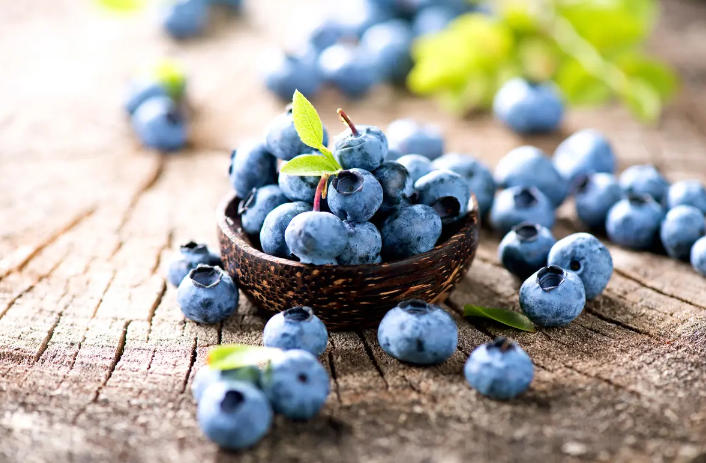
In modern high-efficiency agriculture, blueberries no longer rely solely on natural sunlight. To make them sweeter, larger, and hit the market earlier, commercial growers have turned to specialized **led grow lights for blueberries**. This isn’t just “turning on a lamp”—it is a precise form of photobiological optimization designed to maximize yield and market value.
## Why Do Commercial Growers Need LED Grow Lights for Blueberries?
Blueberries are highly sensitive to light photoperiods. Installing automated supplemental lighting achieves three primary commercial goals:
1. **Shortening the Growth Cycle:** Blueberries typically bloom and fruit in late spring. By simulating long-day conditions with artificial light, growers induce early flowering. This allows crops that normally harvest in summer to be ready around the high-demand Lunar New Year, significantly increasing market value.
2. **Improving Fruit Quality:** Sufficient photosynthetic activity produces higher sugar concentrations. Blueberries grown with supplemental light taste sweeter and contain elevated anthocyanin levels (resulting in a deeper purple-black color).
3. **Countering Adverse Weather:** During rainy seasons or winter periods when ambient sunlight drops below necessary PPFD thresholds, grow lights act as an artificial sun, preventing fruit drop and skin cracking caused by light starvation.
## The Optimal Light Spectrum for Blueberries
Blueberry bushes require specific wavelengths for developmental transitions. Achieving the ideal light spectrum involves combining targeted color bands:
* **Red Light (around 660 nm):** The primary engine for photosynthesis. It promotes plant height, leaf development, flower bud differentiation, and early blooming.
* **Blue Light (around 450 nm):** Prevents leggy stem stretching and ensures sturdy branch architecture. It also boosts anthocyanin synthesis, Vitamin C content, and fruit firmness.
* **Far-Red Light (around 730 nm):** Though faint to the human eye, far-red photons signal seasonal shifts to the plant, serving as the master key to regulating dormancy breaking and spring awakening.
* **Scientific Spectral Ratio:** Mainstream commercial setups utilize Red-to-Blue LED ratios (such as 5:1 or 7:1) to balance rapid vegetative expansion with superior fruit flavor.
## Technical Essentials for Installing Blueberry Grow Lights
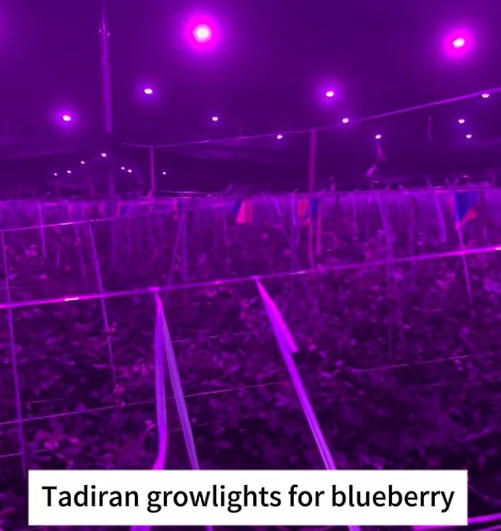
Installing commercial fixtures requires a structured engineering approach to prevent shadow zones and avoid photon loss:
* **Hanging Height:** Maintain fixtures 60 cm to 80 cm directly above the plant canopy to ensure proper light spreading without causing localized heat stress.
* **Grid Spacing & Crossover Layout:** Mount lamps systematically along parallel support cables, using a staggered crossover arrangement to deliver uniform photosynthetic active radiation (PAR) across lower branches.
* **Daily Photoperiod Runtime:** Run supplemental lights for 4 to 6 hours daily during off-peak power hours (such as pre-dawn or post-sunset) to extend effective day length to 12–14 hours.
## Smart Lighting Trends for Modern Greenhouses
Modern commercial greenhouses deploy intelligent light management technologies:
* **Light-Sensing Linkage:** Environmental sensors monitor outdoor sunlight levels in real-time. If clouds reduce ambient intensity, LED system output automatically brightens to compensate.
* **Dynamic Spectrum Adjustment:** Systems supply higher red light proportions during early seedling stages for leaf development, shifting to elevated blue and far-red spectrums during fruiting to enhance sugar content.
## Frequently Asked Questions (FAQ)
### How do led grow lights for blueberries increase off-season profits?
Supplemental LED lighting extends daily photoperiods during winter, breaking crop dormancy and accelerating harvest timing by several weeks. Supplying fresh blueberries during low-competition market windows allows commercial growers to secure premium wholesale prices.
### What is the ideal daily photoperiod for commercial blueberry forcing?
Most commercial cultivars require 12 to 14 hours of total daily light exposure during forcing phases. Combining natural day length with 4 to 6 hours of nighttime LED supplementation provides optimal photosynthetic daily light integral (DLI).
## Conclusion
Advancing crop performance through **led grow lights for blueberries** combines agricultural science with commercial reliability. By precisely controlling spectrum, intensity, and photoperiod, commercial farms overcome seasonal limitations to yield consistent, high-grade harvests.
To explore engineered commercial lighting systems, contact the Tadiran team at **info@fruitgrowlight.com** or send us a message directly.
Scan QR code to chat with our grow light specialist!