Beautiful Plants For Your Interior
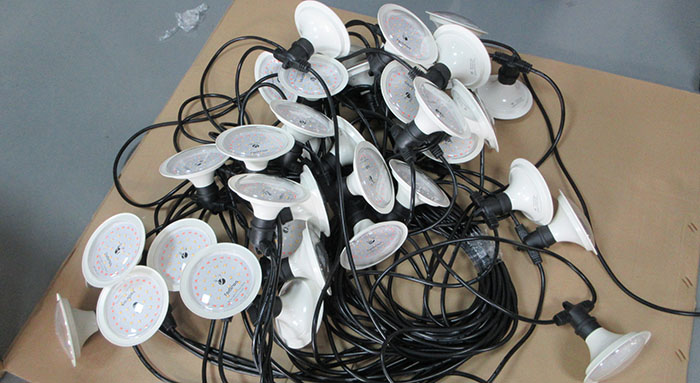
Implementing a specialized pitaya grow light system is the most effective technical strategy for modern commercial dragon fruit growers seeking to extend harvesting cycles and maximize off-season profits. Pitaya (dragon fruit) is a long-day plant whose flower bud differentiation is heavily influenced by photoperiod length and temperature conditions. When sourcing horticultural systems on platforms like FruitGrowLight, commercial farms can easily deploy targeted spectrum solutions—such as lámparas de cultivo para pitahaya and luz para crecimiento vegetal—to break plants out of natural winter dormancy and stimulate early bud development.
Under natural environmental conditions, insufficient daylight hours during spring and autumn cause dragon fruit plants to enter a vegetative “dormant” phase where flower bud formation becomes restricted. This technical guide outlines the photoperiod science, fixture specification targets, and installation schedules required to run a high-yield supplemental lighting program.
Pitaya growth thrives in an optimal temperature range between 25°C and 35°C and demands over 12 hours of light per day to initiate flowering. When natural sunlight drops below this critical threshold, reproductive growth stalls.
The core principle behind a commercial pitaya grow light system is using precision LED solid-state technology to simulate natural solar radiation. By supplementing key photosynthetic wavelengths, growers manipulate the plant’s biological photoperiod rhythm. According to horticultural physiology research, extending daily light exposure induces earlier flower bud differentiation, extends the total annual harvest window, and significantly boosts cumulative yield per hectare.
Selecting the correct hardware is essential to avoid energy waste while ensuring adequate photon delivery across the dense fruiting canopy:
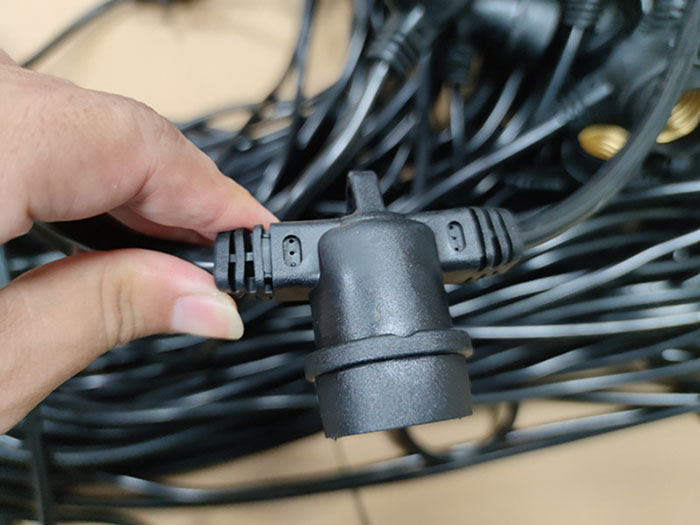
To maximize flower differentiation, orchard operators should adhere to strict temporal and physical deployment rules:
Photoperiod lighting must be accompanied by proper ambient microclimates. The table below highlights critical environmental targets for commercial dragon fruit orchards:
| Environmental Parameter | Target Operational Threshold | Commercial Crop Impact |
|---|---|---|
| Middle & Lower Canopy Illuminance | > 200 lx (Minimum: 100 lx) | Ensures photoperiod signals reach shaded fruiting branches. |
| Daytime Ambient Temperature | > 25°C | Maintains active metabolic rates necessary for bud growth. |
| Nighttime Ambient Temperature | > 20°C | Prevents flower bud abortion and cold-induced dormant states. |
| Daily Photoperiod Duration | 4 – 6 Hours Supplemental (18:00 – 24:00) | Provides continuous photoperiod signals to induce off-season bloom. |
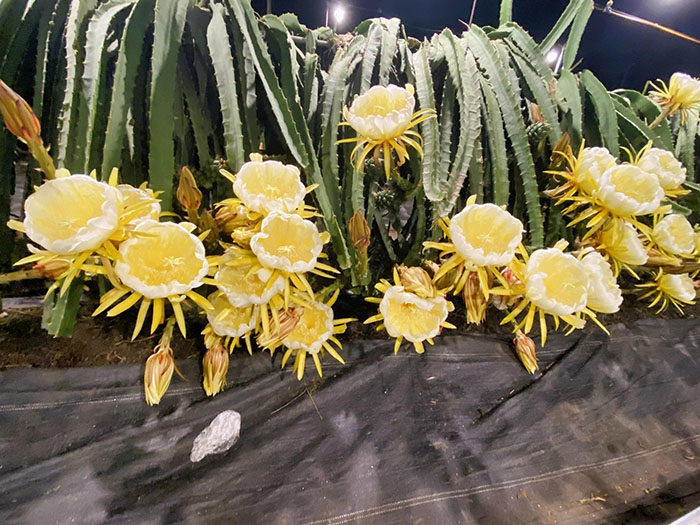
At FruitGrowLight, we deliver OEM/ODM manufacturing solutions engineered for commercial dragon fruit production across global markets. Our full-spectrum Tadiran Growlight Pitaya series integrates high-efficiency LED chips designed to provide deep-red spectral output ($630\text{–}660\text{ nm}$) with ultra-low energy consumption.
Our agricultural solutions feature:
Q1: Why is a peak wavelength of 630–660 nm vital for a pitaya grow light?
A: Red light in the 630–660 nm spectrum specifically targets plant phytochromes, which are the main photoreceptors responsible for breaking photoperiod dormancy and signaling flower bud initiation.
Q2: What happens if orchard light intensity drops below 100 lx?
A: Light levels below 100 lx on fruiting branches fail to trigger the phytochrome response, resulting in weak or inconsistent bud formation despite running the lights for 4 to 6 hours.
Q3: Can supplemental lighting replace proper temperature control?
A: No. Pitaya flower bud differentiation requires both photoperiod signaling and warm temperatures. If nighttime temperatures drop below 20°C, flowering responses will be severely delayed regardless of light duration.
Q4: How do I contact the sales engineering team for OEM orders?
A: For purchasing inquiries, custom spectrum configurations, or direct factory quotes, contact our technical sales team at tadiran@tatalux.com or visit FruitGrowLight.
Scan QR code to chat with our grow light specialist!