Beautiful Plants For Your Interior
Beautiful Plants For Your Interior

Lorem ipsum dolor sit amet, consectetur adipiscing elit. Proin sed diam sapien. Sed semper urna dictum tellus lacinia vehicula. Ut volutpat, augue vel auctor tincidunt, ligula sem pharetra dui, nec tincidunt ante mauris eu diam. Phasellus viverra nisl vitae cursus euismod. Suspendisse sit amet est lectus.
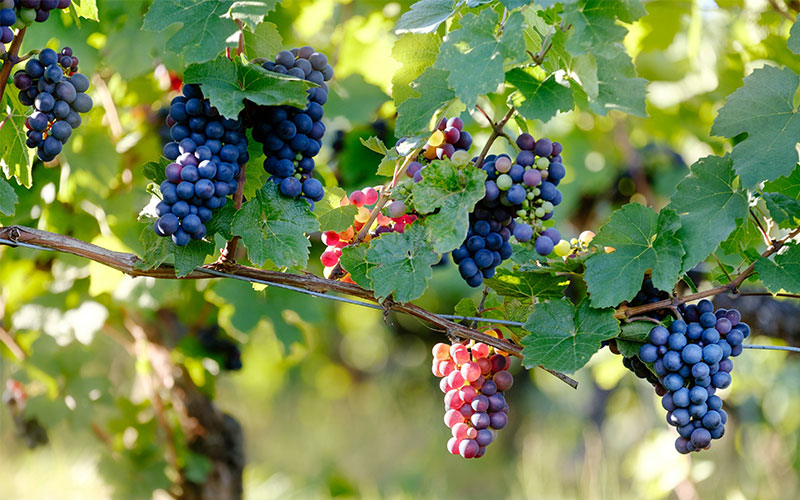
Grape (*Vitis vinifera*) is one of the most economically important horticultural crops globally. The rapid multiplication and breeding of high-value table and wine grape cultivars rely heavily on plant cell and micropropagation tissue culture techniques. Beyond optimizing nutrient medium formulations, controlling physical incubation conditions—specifically using specialized **led grow lights for grape tissue culture**—is vital to boosting plantlet performance and stem quality.
Light serves as both a photomorphogenic trigger and the primary energy source for photosynthesis. Recent photobiological studies on axillary buds of grape cv. ‘Crimson Seedless’ evaluated the effects of Red (622–780 nm), Blue (455–492 nm), and Full Visible Light (400–700 nm) across light intensities of 2,500 lux and 5,000 lux.
## Key Findings: Light Spectrum and Intensity Effects on Grape Axillary Buds
1. **Red Light (622–780 nm) Drives Maximum Shoot Length:**
The highest axillary bud elongation was achieved under the red light spectrum, reaching an average growth length of **65.77 mm**. Red light plays a critical role in driving main photosynthetic pathways and stem extension.
2. **Blue Light (455–492 nm) Enhances Axis Strength and Stem Density:**
Exposing tissue culture explants to targeted blue light resulted in the strongest and most robust developed plantlet axes. Blue photons trigger cryptochrome receptors, preventing leggy growth and ensuring sturdy stem architecture.
3. **Optimal Light Intensity to Prevent Photoinhibition:**
* **Fastest Growth Rate:** The fastest axillary bud growth rate occurred under red and visible light at **2,500 lux** (taking just 46.77 hours).
* **Photoinhibition Risks at High Intensity:** At **5,000 lux**, photosynthesis peaked quickly, reaching the light saturation threshold. Prolonged exposure at 5,000 lux induced dynamic and chronic photoinhibition (light stress damage), suppressing overall growth rates.
## Commercial Takeaway for Grape Micropropagation Labs
When designing lighting systems for grape tissue culture facilities, applying high-intensity illumination is counterproductive. Cultivators should deploy dimmable, spectrum-tunable **led grow lights for grape tissue culture** with a high Red-to-Blue ratio, maintaining light levels around 2,500 lux to accelerate multiplication while preventing photosynthetic fatigue.
Scan QR code to chat with our grow light specialist!