Beautiful Plants For Your Interior
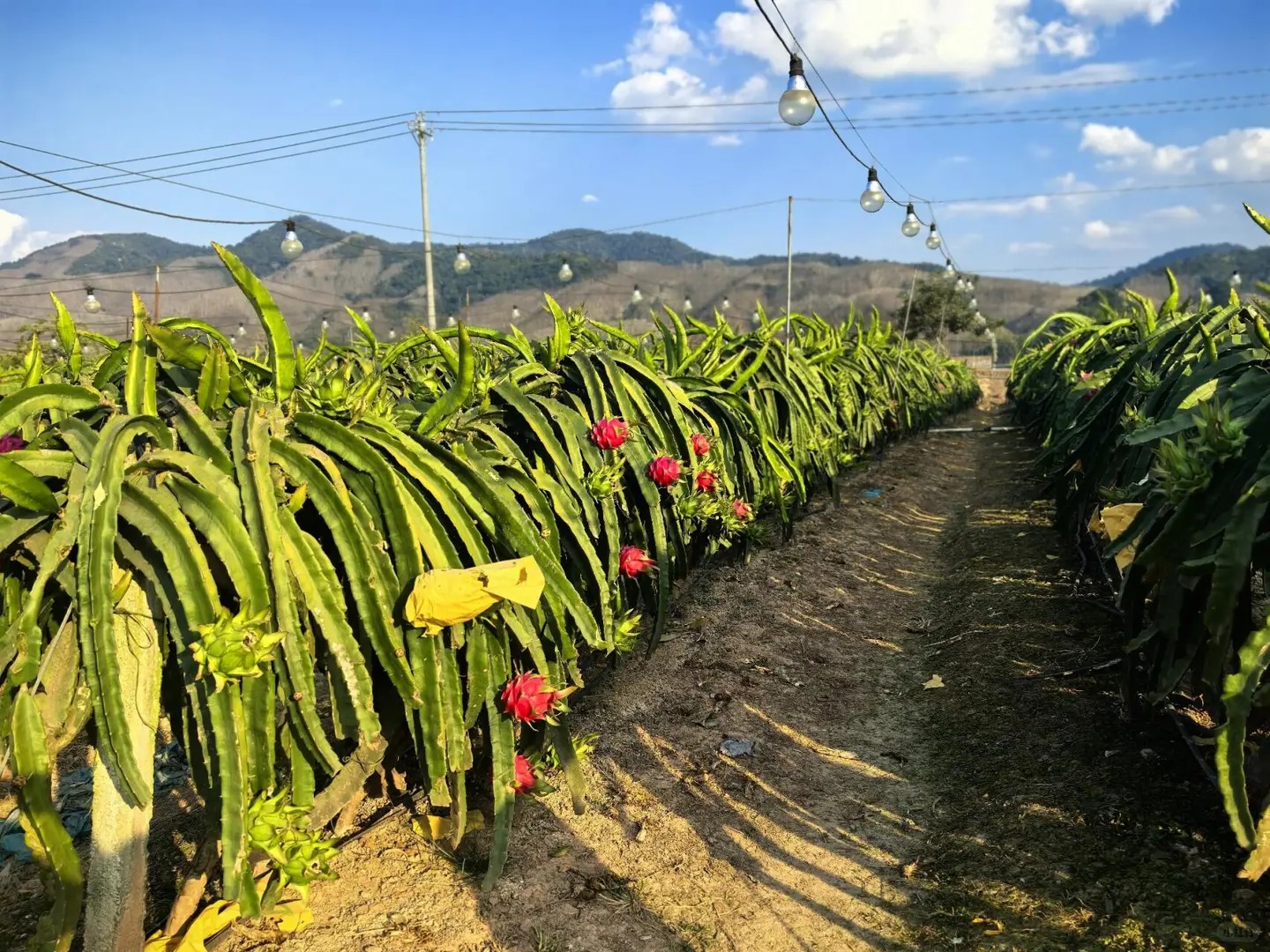
¿Se siguen necesitando luces LED de cultivo en regiones con abundante sol?
Many commercial growers raise a practical question:
“My farm gets abundant sunshine year‑round. Do I still need to install LED grow lights (Luces LED de cultivo)?”
This doubt is widespread across sun‑drenched territories including Mexico, South America and Southeast Asia. Many operators assume sufficient natural sunlight completely removes the demand for extra artificial lighting.
Nevertheless, for commercial cultivation (cultivo comercial), LED grow lights are not designed to replace sunlight. Instead, they deliver targeted supplementary lighting whenever natural light intensity or day‑length falls short. This stabilizes crop growing environments and raises overall production efficiency.
Tadiran supplies professional commercial LED grow‑light solutions for outdoor and greenhouse crops such as pitaya, strawberries and flowers. Visit Tadiran LED Grow Light Products >>]
Sunlight remains the primary light source for all plants. However, real‑world field conditions bring many variables that interfere with effective light supply:
Even within year‑round sunny zones, the daily duration and intensity of usable light received by crops keeps fluctuating.
These fluctuations may cause negligible harm for home gardening. But for commercial farms, any disturbance to flowering, growth cycles or yield stability will directly impact final profits.
Therefore, the purpose of LED grow lights is not to “create extra sunlight”, but to provide more stable and controllable light conditions for commercial crops.
Many crop species require not only adequate light intensity, but are also highly sensitive to photoperiod (daily light duration).
Crops such as pitaya, strawberries, tomatoes and various flowering ornamentals tie their growth, blooming and fruiting tightly to day‑length signals.
Natural day‑night cycles cannot be manually modified. With LED supplemental lighting, farmers can extend illumination hours after sunset to maintain ideal growth rhythms.
Take pitaya cultivation as a typical example. In commercial farms, grow lights are rarely used to boost daytime brightness. Instead, night‑time supplementary lighting adjusts photoperiods to stimulate bud differentiation, raise flowering rates and achieve more harvest cycles every year. Check Tadiran customized pitaya lighting solutions >>]
Large‑scale agricultural operators care less about “whether the sun shines”, and focus more on whether crops get stable, sufficient light exactly when they require it.
During rainy seasons or long stretches of cloudy weather, the sun may still be present overhead, yet the actual light energy reaching plant canopies drops sharply. Persistent insufficient light may trigger:
A well‑configured commercial grow‑light system offsets weather‑related risks and stabilizes harvest output.
In sun‑abundant regions, LED grow‑light fixtures do not need long‑hour continuous operation. Commercial projects normally adopt targeted supplemental lighting for specific time windows according to crop demands:
A scientific lighting plan comprehensively considers multiple factors:
Simply put: plenty of local sunshine does not mean LED grow lights are unnecessary.
Modern commercial agriculture pursues stable and predictable production outcomes. Compared with total dependence on natural outdoor conditions, properly deployed LED grow lights help farmers to:
✅ Precisely regulate crop light environments
✅ Mitigate negative losses caused by unpredictable weather
✅ Expand effective annual production cycles
✅ Stabilize yearly profit returns
For commercial farming chasing high yield, premium quality and long‑term profitability, LED supplemental grow‑lighting has become an indispensable technical tool.
Tadiran LED plant grow‑lights are engineered for commercial supplemental lighting, perfectly fit for pitaya plantations, greenhouse blueberries, strawberries, cut‑flowers and other light‑demanding crops.
Key Product Features
✅ Full‑spectrum LED light sources
✅ Power factor ≥0.9 for large‑scale farm electrical stability
✅ Heavy‑duty waterproof performance suitable for outdoor agricultural environments
Custom lighting layout solutions are available for commercial farms. Learn more about Tadiran LED grow‑light product range >>]