Beautiful Plants For Your Interior
Beautiful Plants For Your Interior

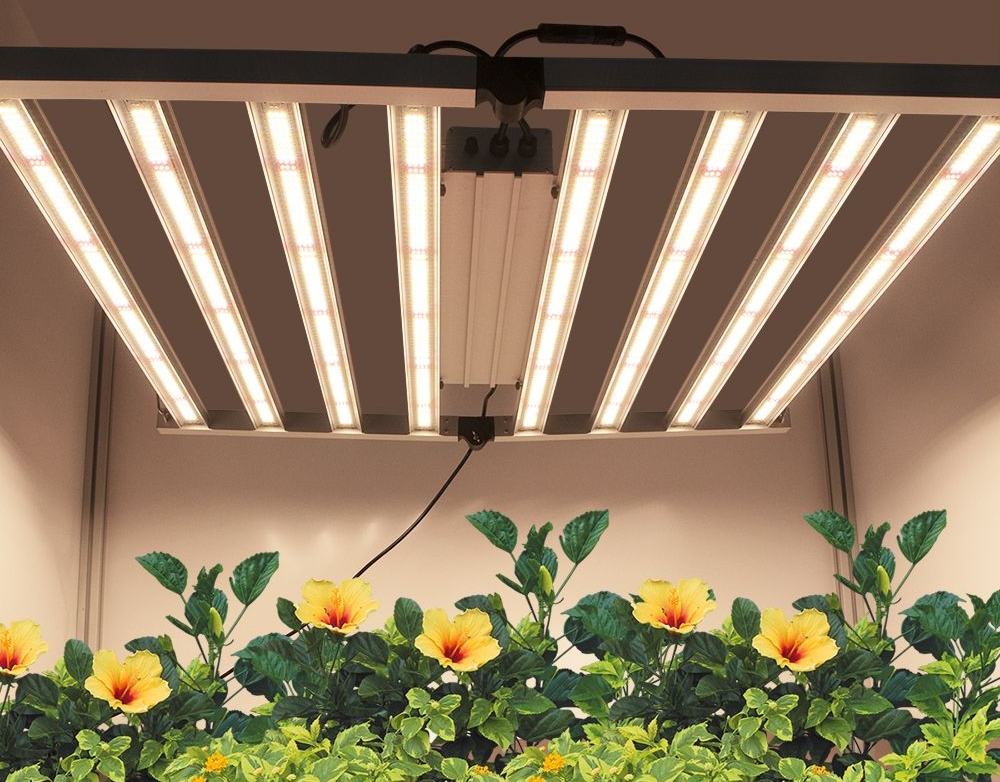
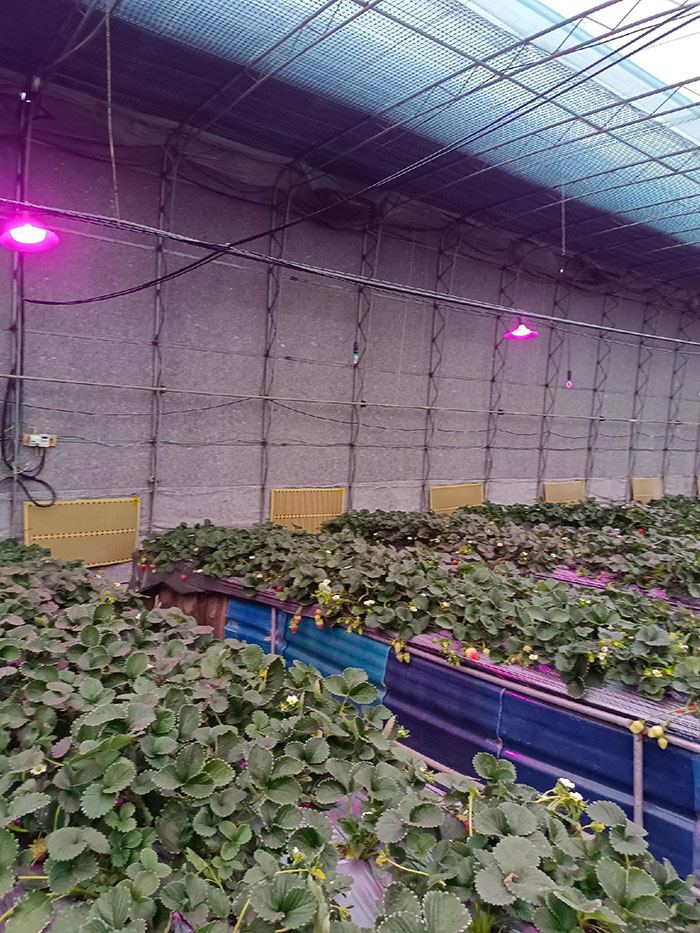
On average, LED grow lights should be turned on for 12 to 18 hours per day, depending on the plant species and lifecycle stage. As a foundational rule: Seedlings require 16 to 18 hours of light; leafy vegetables thrive under 14 to 16 hours; and most flowering or fruiting plants require a strict 12 hours of light and 12 hours of uninterrupted darkness. Leaving grow lights on 24 hours a day is generally not recommended, as plants require a dark period for cellular respiration.
Determining the correct LED grow light hours is one of the most vital factors in indoor horticulture and greenhouse management. When cultivating crops inside a controlled environment or grow tent, you control temperature, airflow, and solar exposure. Modern lámparas de cultivo LED offer unmatched spectrum flexibility, but understanding the optimal photoperiod—how many hours your lights run each day—is essential for achieving maximum yields and energy efficiency.
Many growers assume that running lights continuously accelerates crop development. However, ignoring natural plant bio-rhythms leads to structural stress and wasted electricity. Whether you are managing leafy greens, desert cultivars, or configuring luz LED para fresas y frutillas (strawberry grow lights), managing daily light schedules properly optimizes plant vitality. To learn more about our commercial engineering and lighting expertise, visit our About Us page.
Different crops require specific photoperiods based on their stage of development. The table below provides daily operational guidelines for common plant varieties managed under indoor lighting systems:
| Plant Type / Growth Stage | Recommended Light Hours | Recommended Dark Hours | Primary Cultivation Goal |
|---|---|---|---|
| Seedlings & Early Clones | 16 – 18 Hours | 6 – 8 Hours | Rapid root and early leaf development |
| Leafy Greens (Lettuce, Spinach, Kale) | 14 – 16 Hours | 8 – 10 Hours | Preventing early bolting; maximizing biomass |
| Fruiting Crops: Vegetative Phase | 18 Hours | 6 Hours | Building thick stalks and node structure |
| Fruiting Crops: Flowering Phase | 12 Hours | 12 Hours | Triggering hormonal shifts for blooming |
| Strawberries (Luz LED para Fresas) | 14 – 16 Hours | 8 – 10 Hours | Enhancing Brix sugar levels and fruit expansion |
| Cacti & Desert Succulents | 12 – 14 Hours | 10 – 12 Hours | Replicating natural arid environments |
| Tropical Houseplants (Pothos, Monstera) | 10 – 12 Hours | 12 – 14 Hours | Maintaining leaf coloration without stress |
While lights can physically run continuously, operating fixtures 24 hours a day is unnecessary and counterproductive for roughly 95% of plant species. To understand why running a continuous 24/0 schedule harms plant efficiency, we must examine plant metabolic cycles.
During illuminated hours, plants undergo photosynthesis: absorbing light energy to synthesize carbon dioxide and water into glucose and oxygen. During dark periods, plants perform dark respiration, consuming stored carbohydrate reserves to build stem walls, extend root systems, and process cellular repair. Depriving plants of dark cycles can lead to carbohydrate congestion and leaf necrosis.
In modern commercial horticulture, defining light delivery strictly by hours is complemented by tracking Daily Light Integral (DLI). DLI quantifies the total amount of Photosynthetically Active Radiation (PAR) delivered per square meter over 24 hours ($mol/m^2/day$). According to agricultural research studies, DLI is calculated using light intensity (PPFD) and duration:
$$ \text{DLI} = \text{PPFD} \times \text{Run Time (Hours)} \times 3600 \times 10^{-6} $$
Adjusting photoperiod duration alongside PPFD enables facility managers to reach targeted DLI goals while scheduling high-wattage fixtures during off-peak electricity hours.
| Plant Target Profile | Target DLI ($mol/m^2/day$) | Example Light Configuration |
|---|---|---|
| Low-Light Microgreens & Herbs | 6 – 12 | 150 PPFD for 14 Hours |
| Orchids & Tropical Foliage | 10 – 15 | 250 PPFD for 12 Hours |
| Vegetative Crops & Strawberries | 17 – 30 | 400 PPFD for 16 Hours |
| High-Yield Flowering Crops | 30 – 45+ | 700 PPFD for 12 Hours |
Vegetables like lettuce and spinach require steady daily illumination but are subject to premature “bolting” if stressed by excessive heat or light. Maintaining 14 to 16 hours of daily light ensures steady vegetative development without triggering bitter seed stalks.
Desert species rely on Crassulacean Acid Metabolism (CAM) photosynthesis, opening their stomata to collect carbon dioxide exclusively during dark hours to conserve moisture. Providing 10 to 12 hours of darkness is essential for proper metabolic gas exchange.
Short-day flowering crops require a shift from 18 hours of light down to a strict 12-hour light / 12-hour dark cycle to induce flowering. Ensuring complete darkness during the 12-hour off cycle is vital to prevent growth disruption or hermaphroditism.
Selecting the proper LED grow light hours and maintaining consistent photoperiod schedules allows indoor growers and commercial greenhouse operators to maximize photosynthetic efficiency, lower energy expenses, and harvest healthier crops. Match your operational run-times to your target plant species, leverage smart timing hardware, and ensure crops receive adequate dark respiration periods.
Upgrade your facility with energy-efficient LED grow lights designed for commercial indoor farms and greenhouses. Get tailored spectrums, custom photoperiod advice, and wholesale factory pricing.
Scan QR code to chat with our grow light specialist!