Beautiful Plants For Your Interior
Beautiful Plants For Your Interior

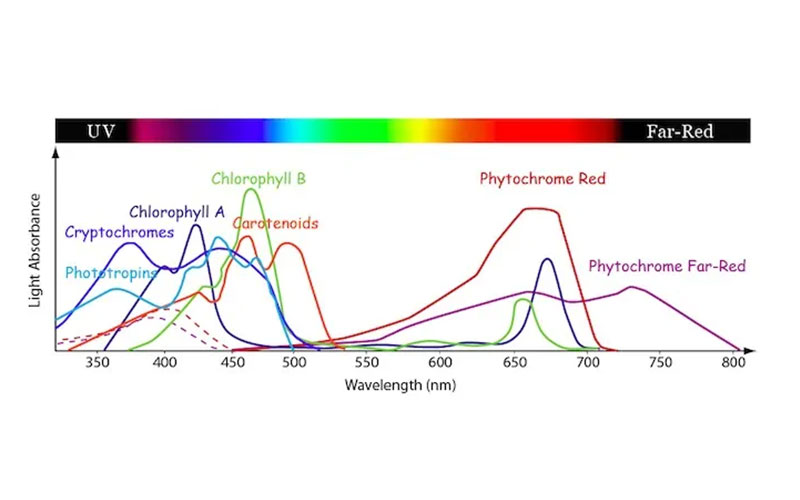
Understanding **how light spectrums influence plant growth** is essential for commercial growers and indoor farm operators aiming to maximize crop yields, regulate photomorphogenesis, and enhance nutritional quality. Different spectral wavelengths—ranging from shortwave ultraviolet (UV) to longwave far-red light—trigger distinct physiological responses in plants.
Deploying engineered LED grow light solutions with balanced wavebands allows commercial facilities to fine-tune plant architecture, boost photosynthetic efficiency, and optimize flowering cycles.
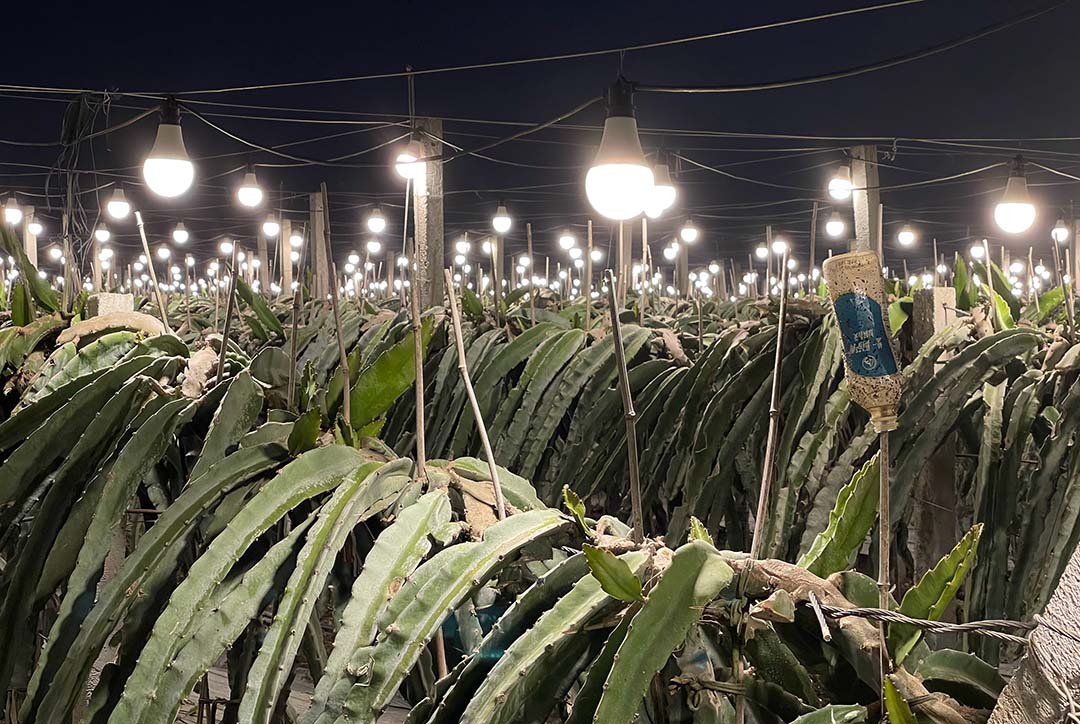
## Field Guide: How Light Spectrums Influence Plant Growth
Below is a detailed breakdown of how specific light wavelengths affect crop morphology and metabolic development:
### 1. 280 nm UVC Light (Toxic Spectrum & Microbe Control)
The 280 nm wavelength sits within the shortwave UVC ultraviolet range. While toxic to plant tissue in large doses, precise exposure helps suppress mould, fungi, and bacterial pathogens on leaf surfaces while managing stem height and lateral branch development.
### 2. 280–315 nm UVB Light (Coloring & Stress Response)
UVB ultraviolet radiation directly influences plant secondary metabolites. While excessive exposure can negatively alter leaf coloration, controlled UVB application builds stress resistance and triggers beneficial protective compound production.
### 3. 315–400 nm UVA and Near-UV Light (Pigmentation & Architecture)
UVA light initiates chlorophyll absorption pathways, hardens plant tissues, and thickens leaf cuticles. It enhances anthocyanin pigmentation, improves long-term crop health, and aids in pest population management.
### 4. 440–500 nm Blue Light (Rooting, Stems & Vegetative Quality)
Blue spectrum light is vital for leafy greens and vegetative growth stages. Combined with other wavelengths, blue photons stimulate stomatal opening, regulate plant height, ensure robust root development, and drive maximum chlorophyll $a$ and $b$ absorption….ensure robust root development, and drive maximum chlorophyll absorption when optimizing how light spectrums influence plant growth.
### 5. 510–610 nm Green Light (Canopy Penetration & Photosynthesis)
Green light penetrates deep into dense crop canopies where red and blue light cannot reach. It fuels lower-canopy photosynthesis, increasing overall plant biomass, weight, and structural growth.
When evaluating how light spectrums influence plant growth, the red light spectrum serves as the primary engine for photosynthesis…### 6. 610–700 nm Yellow-Red Light (Flowering & Germination Peak)
The red light spectrum serves as the primary engine for photosynthesis, seed germination, and flowering. Red photons drive photoperiodism and bud formation, delivering optimal yields when balanced with blue light.
### 7. 700–800 nm Far-Red Light (Emerson Effect & Extension Growth)
Far-red wavelengths drive extension growth, leaf expansion, and cell elongation. Working alongside red photons (the Emerson Enhancement Effect), far-red light boosts the overall photosynthetic rate and accelerates canopy coverage.
## Frequently Asked Questions (FAQ)
### How do light spectrums influence plant growth in commercial farming?
Different light spectrums influence plant growth by triggering specific photoreceptors like phytochromes (red/far-red) and cryptochromes (blue/UV). Tailoring these spectrums allows growers to control flowering timing, stem thickness, and nutrient levels.
## Optimizing Light Spectrums for Commercial Farm Installations
For commercial greenhouse operators and indoor vertical farms, selecting the right lighting design extends beyond individual wavebands. Achieving continuous high yields requires deploying engineered fixtures with spectrum-tunable capabilities, allowing real-time adjustment of photosynthetic photon flux density (PPFD) based on seasonal photoperiods and crop growth stages.
### Customizing LED Solutions for Commercial Yields
Every plant species demands a tailored light recipe to maximize potential:
* **Leafy Greens & Microgreens:** Benefit from higher ratios of blue light (440–500 nm) combined with deep-penetrating green photons to prevent lower-canopy leaf senescence.
* **Flowering & Fruiting Crops:** Require high-intensity red and far-red ratios (610–800 nm) to trigger early flower differentiation, shorten harvest cycles, and boost fruit quality.
Partnering with technical LED grow light manufacturers ensures your commercial facility deploys custom spectrum configurations backed by energy-efficient driving architectures and waterproof field reliability.
Scan QR code to chat with our grow light specialist!