Beautiful Plants For Your Interior
Beautiful Plants For Your Interior

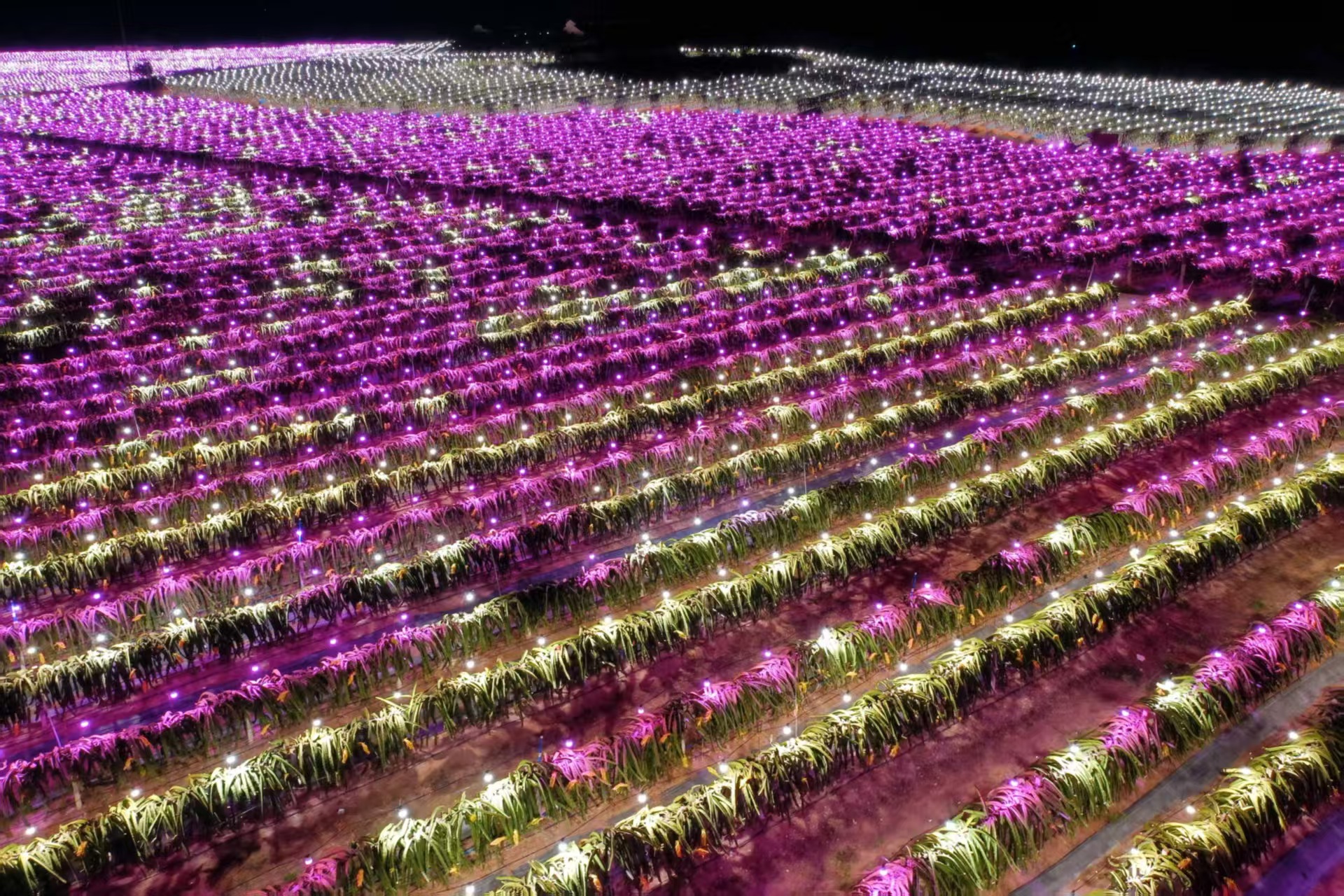
No, modern LED grow lights do not use a lot of electricity compared to traditional HID or HPS lighting. LEDs are exceptionally energy-efficient, converting up to 50% more electrical energy into usable plant light rather than waste heat. Running a standard 300-watt true-draw LED grow light for 16 hours a day at an average U.S. electricity rate of $0.16 per kWh costs approximately $0.77 per day, or about $23.04 per month. The exact cost depends entirely on your fixture’s actual wall wattage, daily operation hours, and local utility electricity rates.
For individuals stepping into the world of indoor farming—whether managing a hobbyist grow tent in a spare closet or designing a large-scale commercial vertical farm—the initial excitement is often accompanied by financial anxiety. The most common question newcomers ask is: Do LED grow lights use a lot of electricity, and will they cause my monthly utility bill to spike?
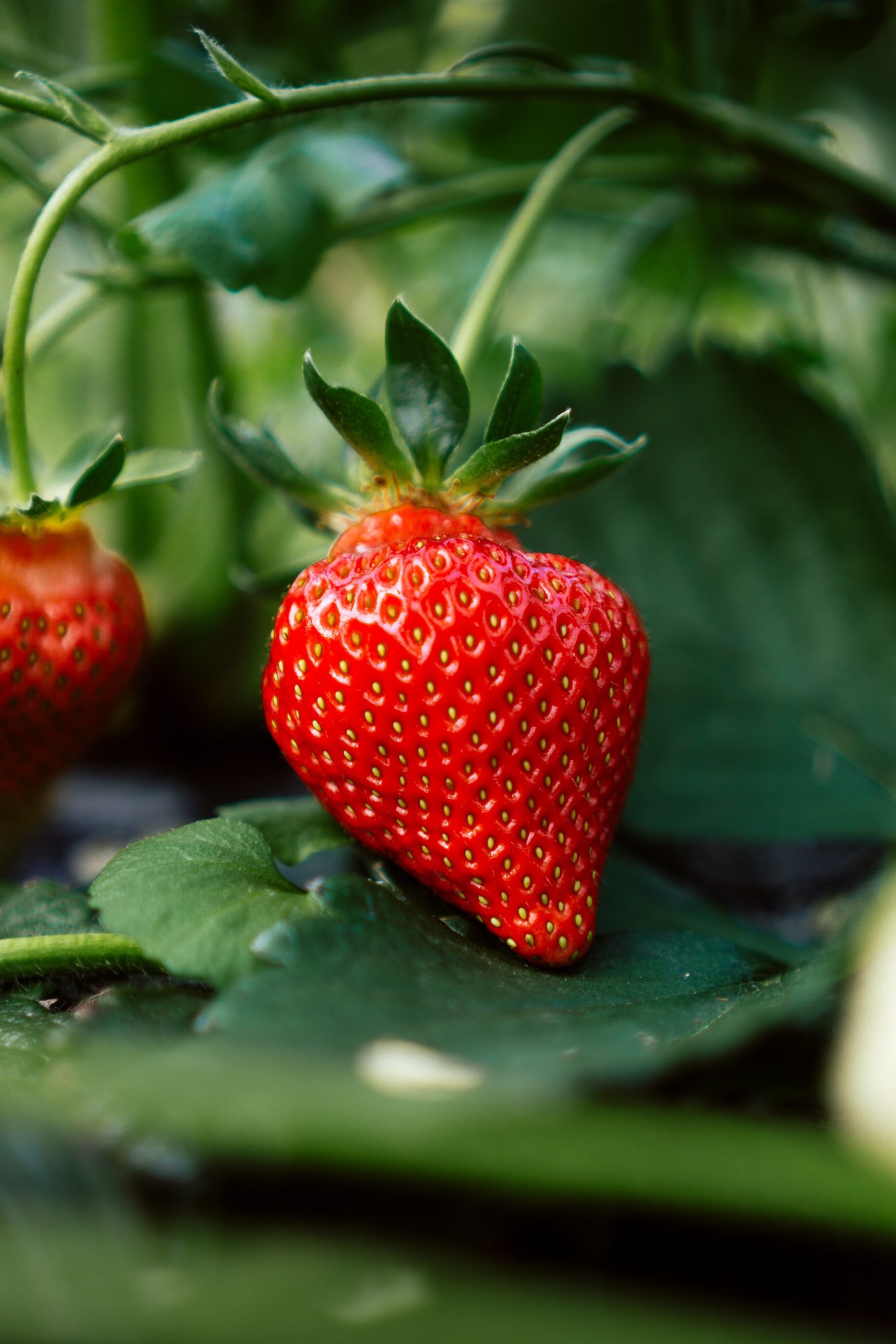
It is a valid concern. Lighting is the single largest operational expense in indoor horticulture. In the past, running high-intensity crop systems meant installing massive High-Pressure Sodium (HPS) or Metal Halide (MH) lamps that drained the power grid and generated immense heat, requiring expensive commercial air conditioning units just to keep the ambient air cool. Modern LED grow lights have fundamentally changed these economics. Whether operating hobby rigs or high-efficiency commercial arrays like lámparas de cultivo LED and luz LED para fresas y frutillas, knowing your actual wattage draw keeps operational expenses under control. To learn more about our commercial engineering expertise and product specifications, explore our About Us page.
You do not need to guess how much your lights cost to run. By locating three simple variables, you can calculate your exact monthly operational expenditure down to the penny. The three required variables are:
To find your operational cost, convert your fixture’s wattage into kilowatts, multiply by the daily operational hours to determine daily usage, and multiply by your local electricity rate:
$$\text{Monthly Cost} = \left[ \frac{\text{True Wattage (W)} \times \text{Hours Per Day} \times 30 \text{ Days}}{1000} \right] \times \text{Rate per kWh}$$
Let’s look at a practical scenario. Suppose your local electricity rate is $0.16 per kWh (the average residential rate in the United States according to the U.S. Energy Information Administration). Here is how much different popular configurations will cost to run per month:
((100W × 18h × 30) ÷ 1000) × $0.16 = $8.64 per month((300W × 12h × 30) ÷ 1000) × $0.16 = $17.28 per month((600W × 18h × 30) ÷ 1000) × $0.16 = $51.84 per monthTo truly evaluate if LEDs are worth the investment, we must look at how they perform against legacy HPS fixtures. The savings with LEDs extend beyond direct electrical draw; because LEDs run much cooler, they also significantly reduce the power needed for ventilation and cooling fans.
| Operational Parameter (4′ x 4′ Space) | Legacy HID System (600W HPS Bulbs) | Modern LED Array (400W True Draw) | The Cost Efficiency Difference |
|---|---|---|---|
| Actual Wall Power Draw | ~660 Watts (Bulb + Ballast Loss) | 400 Watts Total | LED uses 39% less raw electricity. |
| Daily Operating Cost (18 Hours) | $1.90 per day | $1.15 per day | LED saves $0.75 every single day. |
| Annual Direct Lighting Cost | $693.50 per year | $419.75 per year | Direct savings of $273.75 annually per fixture. |
| Thermal Heat Output | High (Requires heavy inline fans) | Low to Moderate (Passive heat sinks) | LED slashes secondary cooling costs by up to 50%. |
| Bulb Replacement Expenses | Requires replacement every 10–12 months ($40–$80/pop) | Zero maintenance; rated for 50,000+ hours | LED saves an additional $250+ in maintenance over 5 years. |
Note: Calculated using a baseline electrical utility factor of $0.16/\text{kWh}$ across an equal continuous cultivation period.
When assessing power bills, many growers focus exclusively on the light fixture itself. However, legacy HPS lamps convert up to 80% of incoming electricity into radiant heat rather than usable light. This heat warms the leaves and raises the temperature inside your enclosed grow room.
To prevent plants from wilting or suffering from heat stress, growers using HPS lights must run high-powered inline exhaust fans at maximum speed, and often need to install portable air conditioners inside the cultivation room. A standard portable A/C unit can draw an additional 800 to 1200 watts of power, which can easily double your monthly electricity bill.
Modern LED panels utilize high-grade aluminum heat sinks or detached remote drivers to dissipate warmth upwards and away from the canopy. Because the room stays naturally cooler, your ventilation infrastructure can run at lower, energy-saving speeds, and you can often eliminate the need for an air conditioner entirely. This reduction in cooling demands is how commercial facilities cut their total energy footprints so effectively when upgrading to LED arrays.
Your monthly electrical bill will naturally fluctuate depending on what specific plant species you are growing and where they are in their developmental cycles.
If your indoor garden consists primarily of slow-growing desert succulents, microgreens, or early-stage seedlings, your energy costs will be minimal. These plants require lower light intensity (low PPFD), meaning you can run your LED fixtures at lower power settings or hang them higher above the canopy. Many modern full-spectrum fixtures feature built-in dimming knobs; turning your fixture down to 25% or 50% power during early growth phases reduces its wattage draw, lowering your operating expenses accordingly.
Cultivating salad crops like basil, spinach, mint, and leaf lettuce requires a steady, mid-tier energy input. These crops need about 14 to 16 hours of daily light, but their lower overall intensity requirements mean you can use budget-friendly, medium-wattage lights. Because these crops do not require a flowering cycle, your monthly power expenses remain highly stable and predictable from seed to harvest.
If you are growing large, fruit-bearing crops like vine tomatoes, bell peppers, or heavy medicinal flowers inside a grow tent, your power draw will reach its peak. Although the light cycle drops to 12 hours per day during the flowering stage, the lights must run at 100% capacity to deliver the intense photon density required for heavy yields. Fortunately, the shorter 12-hour operational window helps offset the higher power draw, keeping your monthly utility bills manageable.
If you want to optimize your indoor cultivation environment and keep your operational overhead as low as possible, apply these five proven energy-saving strategies:
While running any high-intensity indoor garden requires electrical input, modern LED grow lights provide the most efficient and cost-effective way to cultivate plants indoors. By understanding how to calculate your true wall wattage, choosing fixtures with high PPE ratings, and using smart scheduling strategies to take advantage of off-peak energy rates, you can easily keep your operational costs under control. Proper planning allows you to build a high-yielding, energy-efficient indoor garden that delivers an excellent return on investment for years to come.
Looking to upgrade your facility with high-efficacy, commercial-grade LED arrays? Reduce your power footprint with custom-engineered solutions from FruitGrowLight.
Direct Engineering Contact: tadiran@tatalux.com
Scan QR code to chat with our grow light specialist!