Beautiful Plants For Your Interior
Beautiful Plants For Your Interior

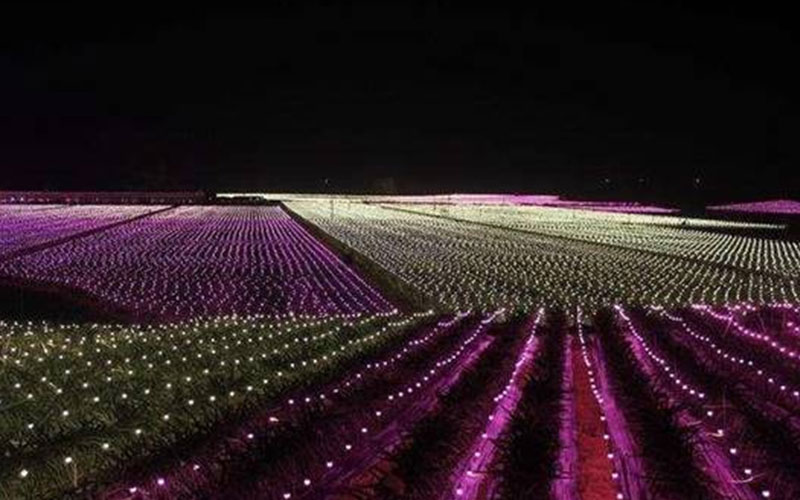
Dragon fruit (pitahaya) requires sufficient light to maintain healthy growth, promote flowering, and achieve stable fruit production. In many Latin American dragon fruit farms, such as areas with rainy seasons or frequent cloudy days, natural sunlight may not always provide consistent conditions for flowering. For commercial farms, using dragon fruit grow lights (luces de cultivo para pitahaya) properly can help improve flowering conditions.
Insufficient light may cause weak and elongated branches, reducing the plant’s ability to develop flower buds and produce high-quality fruit. Proper dragon fruit supplemental lighting (iluminación suplementaria para pitahaya) helps extend the daily light period and supports more stable off-season production.
The lighting schedule is one of the most important factors when using grow lights for dragon fruit.
For commercial farms, a common recommendation is:
The exact duration depends on local daylight conditions, farm location, and production targets. During winter, rainy seasons, or periods with insufficient sunlight, longer lighting hours may be needed.
Supplemental lighting is especially important before and during the flowering stage.
For outdoor dragon fruit farms, grow lights need to withstand long-term exposure to sunlight, rain, and changing weather conditions.
Based on our experience working with growers, TALZPU5 dragon fruit grow lightwas developed to meet these challenges, with a weather-resistant structure and matching waterproof cables for reliable field installation.
Product information:
https://www.fruitgrowlight.com/products/
Temperature affects how dragon fruit responds to light.
Combining proper temperature management with a suitable dragon fruit lighting schedule can help improve flowering stability and production performance.
Q1: How many hours of light does dragon fruit need at night?
A: Commercial farms usually use 4–6 hours of supplemental lighting per night, especially during short-day seasons or periods with insufficient natural light.
Q2: When is the best time to turn on dragon fruit grow lights?
A: Grow lights are normally used after sunset to extend the daily light period. The schedule can be adjusted according to local growing conditions.
Q3: Can grow lights help dragon fruit produce off-season fruit?
A: Proper supplemental lighting can help regulate flowering periods and support more stable off-season production when combined with suitable cultivation management.
Q4: What type of grow lights are suitable for outdoor dragon fruit farms?
A: Outdoor farms should choose grow lights designed for agricultural environments, with good weather resistance and reliable installation accessories.
Scan QR code to chat with our grow light specialist!